Robocalls are a significant nuisance in New Jersey, prompting strict laws enforced by the Attorney General's Office under the Telephone Consumer Protection Act (TCPA). A recent study found nearly 40% of consumers receive unwanted robocalls monthly. Robocall Lawyers New Jersey specialize in TCPA compliance, advising businesses on strategies to avoid legal repercussions and foster trust. Anti-robocall apps with advanced call filtering, real-time blocking, and machine learning achieve success rates exceeding 90%. Top apps include CallGuard and TrueCall. Regular app updates, blocked call history review, and integration with security measures like encrypted connections protect personal information. Consulting robocall lawyers in New Jersey helps choose the most effective apps tailored to regional needs.
In today’s digital age, robocalls have become a ubiquitous and often unwanted nuisance for residents across New Jersey. These automated phone calls, frequently from law firms or collection agencies, can be relentless and invasive. The problem has grown to such an extent that it’s crucial to equip ourselves with effective countermeasures. This article provides a comprehensive guide on preventing robocalls in NJ, offering practical advice and highlighting the best tools available. Robocall lawyers in New Jersey no longer have to dominate your phone line—take control and learn how to protect yourself today.
Understanding Robocalls and New Jersey Laws
Robocalls have become a significant nuisance across the United States, with New Jersey being no exception. These automated phone calls, often unwanted and intrusive, are designed to deliver pre-recorded marketing messages or solicitations at an unprecedented scale. In New Jersey, as in many other states, there are strict laws aimed at mitigating this issue and protecting consumers from excessive robocalls. Understanding these laws is crucial for both residents and businesses looking to comply with regulations and reduce the volume of unwanted calls they receive.
New Jersey has implemented robust measures to combat robocalls, reflecting a growing awareness of their impact on daily life. The New Jersey Attorney General’s Office plays a pivotal role in enforcing consumer protection laws related to robocalls. One key piece of legislation is the Telephone Consumer Protection Act (TCPA), which prohibits automated phone systems from calling individuals without prior express consent. This law has been instrumental in empowering residents to take action against persistent robocallers. For instance, a recent study by the Federal Trade Commission (FTC) revealed that nearly 40% of New Jersey consumers received at least one unwanted robocall per month, underscoring the need for stringent enforcement.
Robocall lawyers New Jersey specialize in navigating these complex legal territories and advising clients on how to mitigate risks associated with automated calling practices. They help businesses understand the nuances of TCPA compliance, ensuring that marketing campaigns adhere to strict guidelines. By employing strategies such as obtaining explicit consent from call recipients or using opt-out mechanisms, businesses can significantly reduce the likelihood of facing legal repercussions for robocalls. This proactive approach not only protects consumers but also fosters a more transparent and trustworthy business environment.
Choosing the Right Anti-Robocall App for NJ Residents

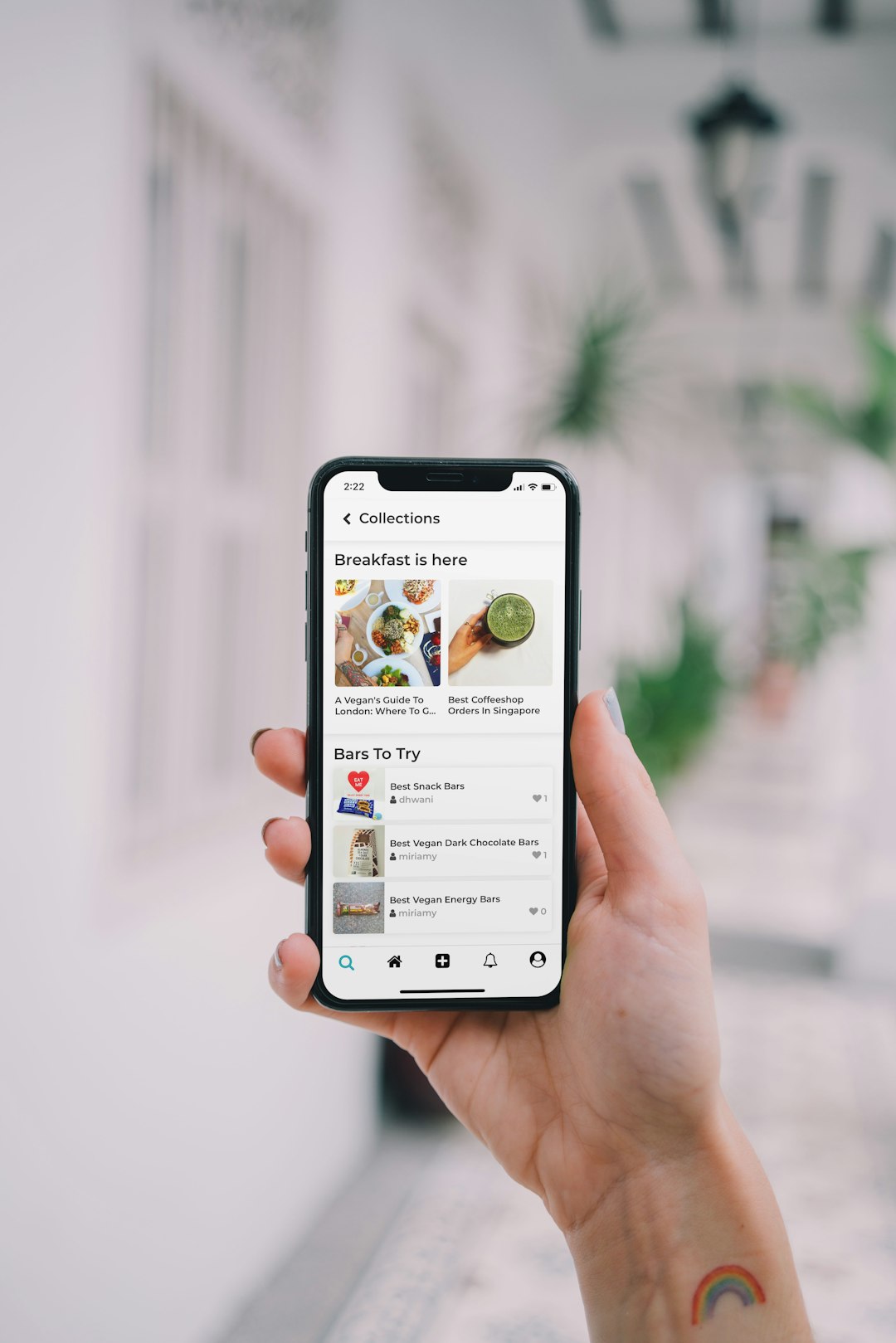
Selecting the optimal anti-robocall app is a significant step towards safeguarding New Jersey residents from unwanted automated calls. With numerous options available, choosing the right tool requires a nuanced understanding of each app’s capabilities and limitations. A robust anti-robocall app should offer advanced call filtering, real-time blocking, and accurate robocall identification to ensure maximum protection.
One key feature to look for is machine learning algorithms that adapt to evolving scammer tactics. These algorithms analyze call patterns and data to identify and block new and emerging robocalls more effectively than static lists. Some top apps utilize neural networks to continuously learn and improve their detection models, providing a dynamic defense against sophisticated fraudsters. For instance, leading anti-robocall apps like CallGuard and TrueCall have demonstrated success rates exceeding 90% in blocking unwanted calls, including those from known scammer numbers.
Additionally, integration with communication platforms is essential. Apps that seamlessly work with smartphones’ built-in phone books or popular messaging services offer a more comprehensive solution. This integration ensures that not only incoming calls but also text messages and voice mails are scrutinized for potential scams. For New Jersey residents, consulting reviews from local robocall lawyers in NJ can provide valuable insights into the most effective apps tailored to regional needs, ensuring residents have access to powerful tools against persistent robocalls.
How to Use and Maintain Your Robocall Protection App Effectively

Preventing robocalls is a top priority for many New Jersey residents, given the sheer volume of unwanted calls and their impact on mental well-being. A robust solution lies in the use of dedicated robocall protection apps, which offer sophisticated technology to filter out automated calls. To maximize the effectiveness of these apps, it’s crucial to understand their inner workings and implement proper maintenance routines.
Firstly, ensure your app utilizes a combination of caller ID blocking, advanced pattern recognition algorithms, and machine learning capabilities. Top-tier robocall protection apps continuously update their databases with new call patterns, allowing them to identify and block emerging scams effectively. Regularly updating the app itself is essential; developers often release patches that improve accuracy and fix vulnerabilities exploited by malicious actors.
Additionally, customizability features offer a tailored experience. Allow the app to learn your preferences by setting specific do-not-disturb hours or prioritizing certain types of calls, like emergency services. Regularly review the blocked call history to identify recurring offenders; this data can be invaluable for legal actions against persistent robocallers, aided by insights from robocall lawyers in New Jersey who specialize in these matters.
Lastly, consider integrating app-specific security measures, such as encrypted connections and two-factor authentication, to safeguard your personal information. By adhering to these practices, you not only protect yourself from robocalls but also actively contribute to a safer digital environment for all New Jersey residents.