Robocalls, primarily telemarketing or fraudulent, are a widespread issue in New Jersey. Federal and state laws protect residents from unsolicited calls. Specialized apps using caller ID databases and AI help block unwanted calls. Apps like CallGuard, TrueCall, CallShield, Hiya, and NoMo gain popularity for blocking automated systems. Scammers adapt constantly, requiring dynamic blocking mechanisms.
New Jersey's strong consumer protection framework leads to robocall-related litigation. Robocall lawyers specialize in combating this issue using advanced technologies and legal expertise. They educate clients on laws like the TCPA, implement call-blocking tools, monitor VoIP trends, and update on scam patterns. Integrating apps with custom blocking lists, data privacy features, and regular updates offers robust protection. Consulting a robocall lawyer enhances legal support for comprehensive security against evolving scams.
With the proliferation of robocalls, New Jersey residents are increasingly burdened by unwanted and often fraudulent calls. This pervasive issue not only disrupts daily life but also poses significant risks, especially when malicious actors target vulnerable individuals. To combat this growing concern, robust robocall prevention apps have emerged as a vital tool for safeguarding New Jersey phone users. In this authoritative piece, we delve into the most effective solutions, offering insights tailored to the unique needs of New Jersey residents, with guidance from leading robocall lawyers in the state who emphasize the importance of consumer protection.
Understanding Robocalls and Their Legal Landscape in New Jersey
Robocalls, automated phone calls designed to deliver recorded messages en masse, have become a pervasive and often unwanted nuisance across New Jersey and beyond. While some robocalls offer valuable services like appointment reminders or survey results, many fall into the category of telemarketing or fraudulent activity, leading to significant consumer frustration. In New Jersey, as in other states, the legal landscape surrounding robocalls is complex, with various federal and state laws aimed at protecting residents from intrusive calls.
The Telephone Consumer Protection Act (TCPA) serves as the cornerstone of federal legislation against robocalls, prohibiting automated phone systems from making unsolicited calls to mobile phones without prior express consent. Similarly, New Jersey’s consumer protection laws, such as the New Jersey Telemarketing Act, further restrict telemarketing practices and provide additional avenues for consumers to seek redress. These legal frameworks empower residents to take action against unwanted robocalls by filing complaints with state and federal agencies or seeking legal counsel from a robocall lawyer New Jersey.
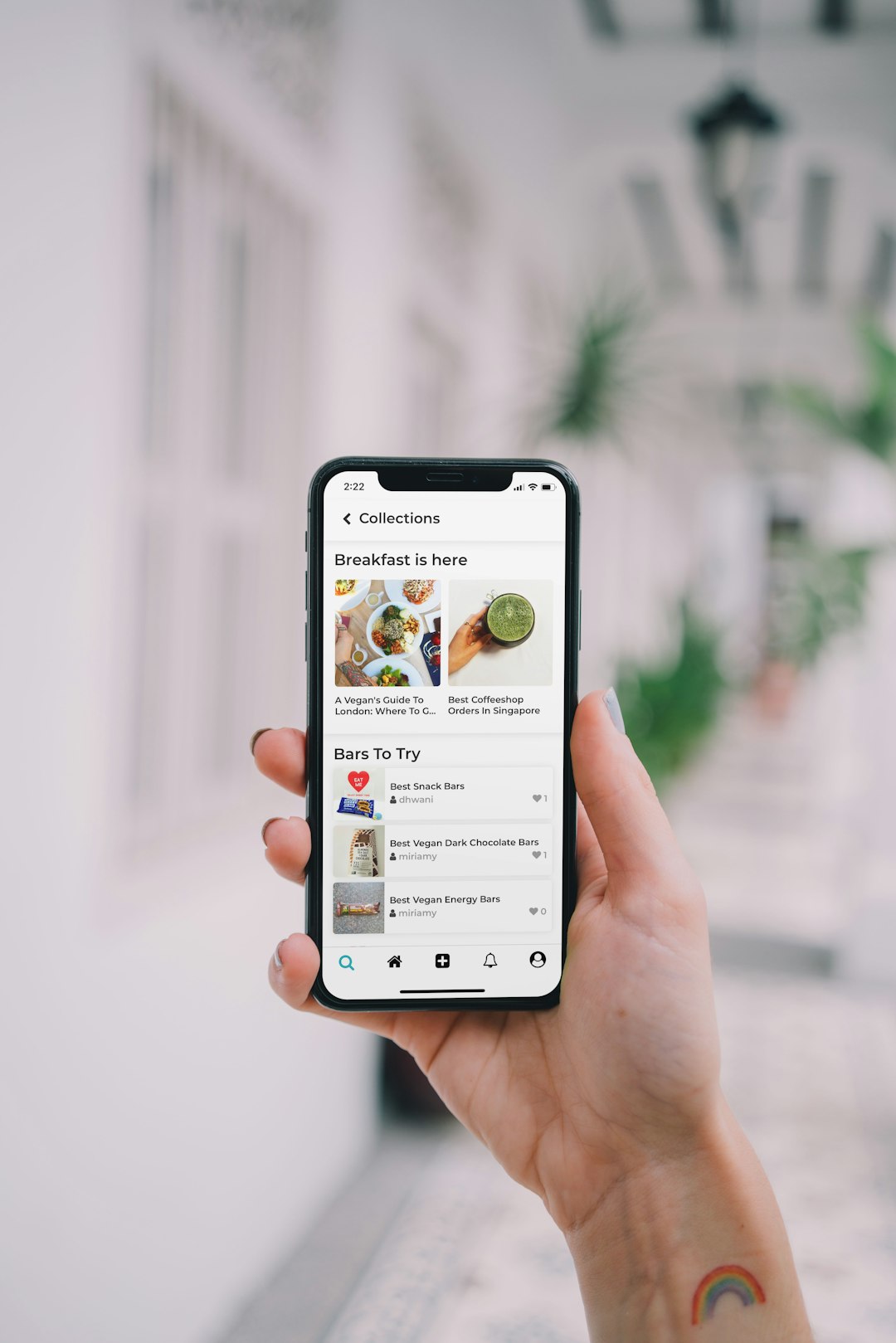
To combat the rising tide of robocalls, many New Jerseyans have turned to specialized apps designed to block, identify, and prevent these intrusive calls. These applications leverage advanced technology, including caller ID databases and artificial intelligence, to analyze incoming calls and filter out unwanted traffic. By offering a layered defense against robocalls, these apps empower users to reclaim control over their communication channels. However, consumers should exercise caution when choosing a robocall prevention app, ensuring it complies with privacy regulations and offers robust protection mechanisms, ideally in conjunction with the guidance of a robocall lawyer New Jersey for comprehensive legal coverage.
The Rise of Robocall Prevention Apps: A Comprehensive Review
The proliferation of robocalls has become a significant nuisance and even a safety concern for many New Jersey residents. In response, robocall prevention apps have emerged as a critical tool to safeguard consumers from unwanted and often fraudulent calls. These applications leverage advanced technologies such as machine learning and artificial intelligence to identify and block automated phone systems. A notable trend in the app market is the integration of features that not only filter out robocalls but also provide valuable insights into call patterns, allowing users to make informed decisions about their communication choices.
New Jersey, with its robust legal framework for consumer protection, has seen an increase in robocall-related litigation. A robocall lawyer New Jersey can guide individuals on how to navigate the complexities of these cases. Apps that effectively combat robocalls can serve as a first line of defense, reducing the volume of suspicious calls and the potential for fraud. For instance, apps like CallGuard and TrueCall have gained popularity for their ability to recognize and block various types of automated phone systems, including marketing calls, scams, and even spam. These tools learn from user feedback and community contributions, continually refining their accuracy in identifying malicious calls.
However, as robocall prevention apps evolve, so do the tactics of scammers. Developers must stay ahead by incorporating dynamic blocking mechanisms and real-time call analysis to counter ever-adaptable fraudsters. Regular updates and patches are essential to address new call patterns and techniques employed by automated systems. Users should opt for apps that offer transparency in their data collection practices, ensuring privacy and security while benefiting from advanced robocall protection. By combining robust app features with legal expertise, New Jersey residents can better protect themselves against the escalating robocall menace.
Top Robocall Protection Apps for New Jersey Residents
New Jersey residents now have access to a growing array of robust robocall protection apps designed to safeguard their privacy and peace of mind. With countless unwanted calls from telemarketers, scammers, and debt collectors inundating phone lines daily, these apps offer a powerful tool in the fight against intrusive automated telephony. Among the top-rated options for New Jersey users are CallShield, Hiya, TrueCall, and NoMo.
Each app employs unique technologies to identify and block robocalls. CallShield, for instance, utilizes advanced machine learning algorithms that continuously update their call patterns database, ensuring high accuracy in detecting and blocking unwanted calls. Hiya leverages crowdsourced data from millions of users worldwide to train its AI models, making it a formidable ally against evolving scammer tactics. TrueCall combines AI with human review to verify and block calls, while NoMo takes a comprehensive approach by not only filtering robocalls but also providing detailed call history insights.
Beyond blocking unwanted calls, these apps offer valuable features like call screening, voicemail transcription, and custom blocking lists. They also empower users to report scam attempts directly from the app, contributing to a collective defense against fraudulent activities. For New Jersey residents concerned about privacy and security, integrating one of these top-tier robocall protection apps is an intelligent step. Consulting with a robocall lawyer in New Jersey can provide additional guidance on leveraging these tools for maximum legal protection and peace of mind.
How to Choose the Best Anti-Robocall App for Your Needs

Selecting the optimal robocall prevention app for your New Jersey phone involves a careful consideration of your specific needs and preferences. With numerous options available, understanding key features becomes crucial. Firstly, assess the types of calls you typically receive—marketing, debt collectors, or scam attempts. Some apps offer robust blocking for all categories, while others specialize in specific types. For instance, TruthFinder and CallProtect excel at identifying and blocking scam callers.
Data privacy is another essential aspect. Apps with advanced caller ID capabilities can provide valuable insights into the source of incoming calls, helping you make informed decisions. Features like call history logging and custom blocking lists are also beneficial. Consider apps that offer integration with your phone’s existing security settings for enhanced protection. A robocall lawyer in New Jersey may recommend apps with robust reporting mechanisms to document and combat malicious calling activities effectively.
Cost is a factor not to be overlooked. Premium apps often come with advanced features, but many free options provide adequate protection. Evaluate your budget while keeping in mind the app’s compatibility with your phone model and operating system. Regularly update your chosen app to benefit from the latest robocall-mitigation technologies and ensure continuous security against evolving scams. By carefully evaluating these factors, you can choose a robocall prevention app that aligns perfectly with your New Jersey phone’s requirements.
A Robocall Lawyer's Guide to Safeguarding Your New Jersey Phone
In the digital age, robocalls have become a pervasive and often irritating issue for New Jersey residents and businesses alike. As technology advances, so do the tactics of unwanted callers, making it increasingly challenging to protect against these intrusive calls. This is where a robocall lawyer New Jersey steps in—a legal expert specialized in mitigating the impact of automated telemarketing and sales calls. With advanced technologies at their disposal, these lawyers offer crucial guidance to safeguard your phone from becoming a nuisance hotspot.
A robocall lawyer New Jersey utilizes a multi-faceted approach to combat this growing problem. They first educate their clients on the legal frameworks in place, such as the Telephone Consumer Protection Act (TCPA), which restricts how businesses can use automated dialing systems. By understanding these laws, residents and businesses can file complaints effectively when their rights are violated. Moreover, these legal professionals help implement call-blocking technologies and custom-tailored filtering solutions to prevent robocalls from reaching their devices. For instance, advanced AI-powered call-screening apps, capable of identifying and blocking unknown numbers, offer a robust first line of defense.
Additionally, the lawyer’s role involves staying abreast of emerging trends in robocall tactics. They monitor new developments in voice over IP (VoIP) technology and predictive dialer software to anticipate potential threats. This proactive approach ensures that their clients remain one step ahead of scammers and telemarketers. Regular updates on known scam patterns and caller ID spoofing techniques are also part of this service, empowering individuals and businesses to make informed decisions when answering calls. By combining legal expertise with technological innovations, a robocall lawyer New Jersey can offer comprehensive solutions, ensuring residents and businesses enjoy a quieter, more secure phone experience.