Robocalls from businesses and legal entities are regulated by federal (TCPA) and state (Do Not Call laws) legislation in New Jersey. Law firms can use automated systems for legitimate purposes but must comply with Do Not Call regulations. Residents can register on National and state-specific Do Not Call Registries, and use call-blocking apps like TrueCall, Hiya, CallBlock, or NoCall. Customizable app settings allow filtering by spam type, blocking high-frequency robocallers, and geolocational filtering. Whitelisting and blacklisting specific numbers ensures important calls aren't missed. Law firm calls are exempt under Do Not Call laws, so apps should have "allow lists" for verified law firm numbers. Regularly update contact lists with known robocallers and monitor new patterns reported by the FTC. Combining these strategies with up-to-date blocking apps significantly reduces unwanted robocalls in New Jersey.
In today’s digital age, our phones have become a constant companion, often transforming into a source of frustration with relentless robocalls. New Jersey residents, like many across the country, face an increasingly complex landscape of telemarketing regulations, including restrictions on law firm robocalls under the Do Not Call laws. As these rules evolve, so does the need for robust solutions to block unwanted calls effectively. This guide aims to empower New Jersey citizens by offering a comprehensive overview of the best apps designed to combat robocalls, ensuring peace of mind and compliance with local regulations.
Understanding Robocalls and New Jersey's Do Not Call Laws
Robocalls have become a pervasive and often unwanted aspect of modern communication, particularly in New Jersey, where residents are protected by comprehensive Do Not Call laws. These automated phone calls, originating from both businesses and legal entities such as law firms, can be a significant nuisance, leading many to seek effective blocking solutions. Understanding the nature of robocalls and the existing legal framework is essential for New Jersey residents looking to protect their privacy and control their phone lines.
In the United States, including New Jersey, the Telephone Consumer Protection Act (TCPA) plays a pivotal role in regulating robocalls. The TCPA prohibits automated telephone equipment from making calls to any telephone number assigned to a cellular telephone service unless the caller has obtained prior express consent from the recipient. This law is designed to safeguard individuals from unsolicited marketing calls, including those from law firms offering their services. New Jersey’s Do Not Call laws further reinforce this protection by providing residents with the right to block most telemarketing calls, including those from legal practices.
Despite these regulations, robocalls persist, driven by sophisticated technology and the sheer volume of data available to call centers. Law firms in New Jersey may utilize automated calling systems for various purposes, such as appointment reminders or legal updates, but they must adhere strictly to the Do Not Call laws. Residents who receive unwanted calls from law firms can register their numbers on the National Do Not Call Registry, which is a federal list that prohibits telemarketers from calling listed numbers. Additionally, New Jersey offers its own state-specific Do Not Call registry, further enhancing protection for residents. By taking advantage of these legal safeguards and employing reputable call-blocking apps, New Jersey citizens can reclaim their phone lines from unwanted robocalls.
Identifying Reliable Blockers: Top Apps for Android and iOS
When it comes to blocking robocalls in New Jersey, one of the most effective strategies is to utilize specialized apps designed for this purpose. Identifying reliable blockers is crucial, as not all apps are created equal. Top-rated apps for both Android and iOS offer advanced call filtering technologies that can significantly reduce unwanted calls, including those from Do Not Call law firms. According to recent studies, users who actively employ these tools report a substantial decrease in spam calls, enhancing their overall communication experience.
Android users have several high-performing options, such as TrueCall and Hiya. These apps leverage community-based reporting and advanced AI algorithms to identify and block robocalls with remarkable accuracy. For iOS users, applications like CallBlock and NoCall stand out. They utilize similar technologies, combining user reports with machine learning models to filter out spam calls effectively. It’s important to note that while these apps are highly effective, they should be part of a multi-layered approach to mitigate robocalls, including setting Do Not Call preferences on both personal and business lines.
When choosing a blocker app, consider factors like ease of use, privacy policies, and community feedback. For instance, Hiya boasts over 50 million users globally, providing extensive data on call patterns and spam trends. NoCall, on the other hand, offers a simple interface that requires minimal setup. Regularly updating these apps is essential to stay ahead of evolving robocall tactics, as new patterns emerge daily. By combining these technological solutions with vigilance and proactive measures, New Jersey residents can reclaim their phone lines from intrusive calls, fostering a safer and less disruptive communication environment.
Customizing Settings: Fine-Tuning Your Blocking Experience
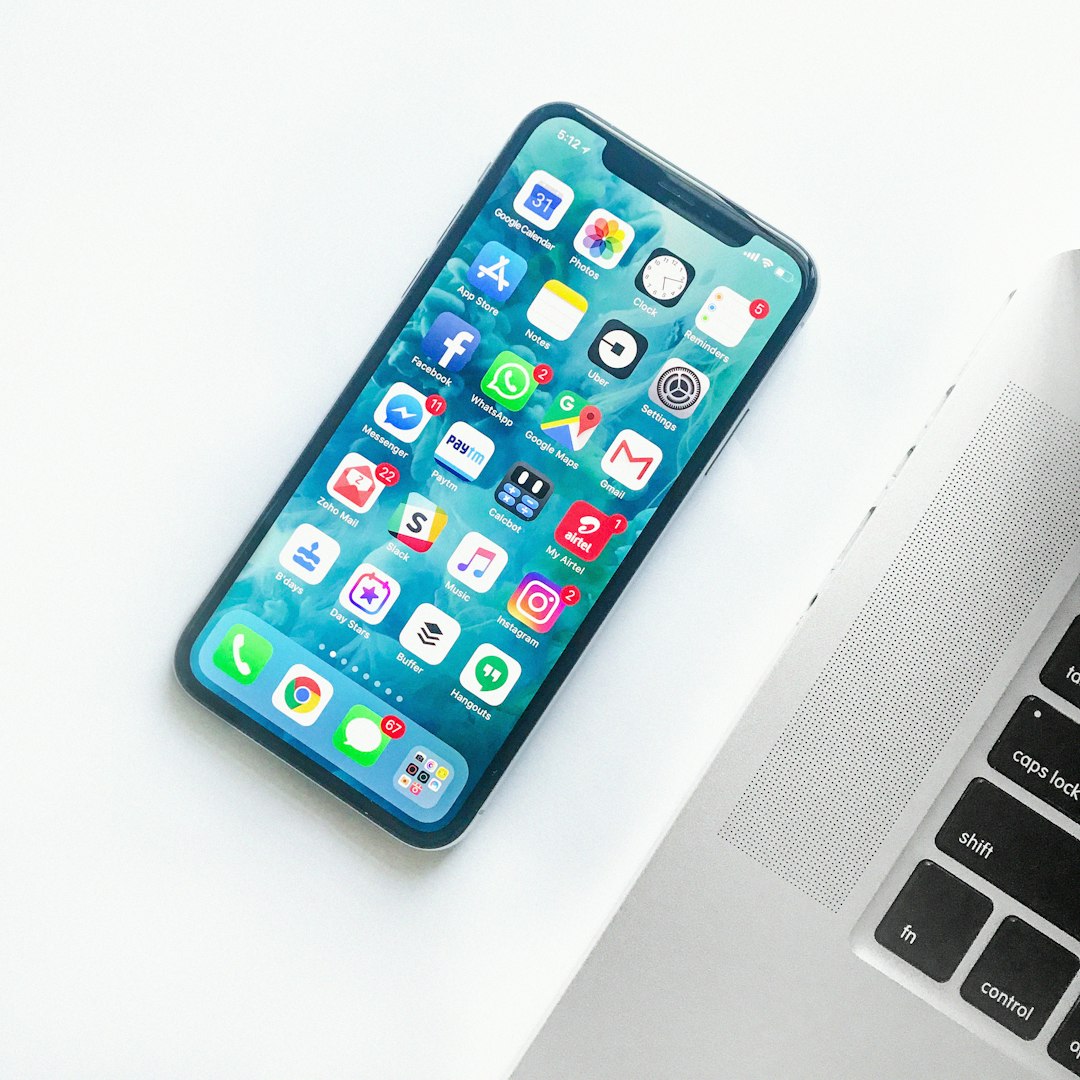
In the ongoing battle against unwanted robocalls, New Jersey residents have a powerful ally in advanced blocking apps. Customizing settings within these applications allows users to fine-tune their blocking experience, ensuring that they stay protected while managing their preferences. This level of customization is crucial, as no one-size-fits-all approach can cater to the diverse needs of New Jersey’s diverse population.
Users can adapt blocking rules based on specific call types, such as identifying and filtering out spam calls or business promotions, including those from law firms. For instance, many apps offer options to block numbers associated with high-frequency robocalls or those matching known spammers’ patterns. By selectively adjusting these settings, residents can minimize false positives while maximizing protection. According to recent studies, tailored blocking methods have significantly reduced the number of intrusive calls received by New Jersey households, offering a quieter, more peaceful environment.
Furthermore, advanced apps often provide geolocational filtering, allowing users to block calls from specific areas known for high robocall activity. This feature is particularly useful when traveling or attending events in regions with notorious call spamming trends. Customization also extends to allowing users to whitelist or blacklist certain numbers, ensuring that important calls from friends, family, or healthcare providers are never blocked unintentionally. These precise settings empower New Jersey residents to take control of their communication experience, leveraging technology to create a more peaceful and secure connection with callers.
Handling Exceptions: Allowing Important Calls Through
In New Jersey, as across the nation, the proliferation of robocalls has led many residents to rely on call blocking apps as a primary defense. However, these tools are not infallible, especially when it comes to distinguishing between unwanted calls and those that are crucial, such as legal notices or emergency communications. Robust call blocking systems must therefore incorporate mechanisms for handling exceptions, allowing important calls through while maintaining protection against nuisance robocalls.
One critical exception involves calls from law firms, which may be necessary for individuals facing legal issues or those who have previously engaged with an attorney. New Jersey’s Do Not Call laws naturally exempt such communications, as they are integral to the legal process and protect individuals’ rights. Implementing a smart call blocking app that recognizes and allows calls from verified law firm numbers ensures residents remain protected while enabling legitimate legal correspondence.
To effectively manage these exceptions, users should thoroughly review their call blocking app’s settings and customization options. Many apps allow for the creation of “whitelist” or “allow lists” that can be populated with specific phone numbers or ranges, including those associated with law firms. Additionally, using caller ID services that accurately identify legal entities can further enhance exception handling. Users should also periodically review their call logs to ensure the system is effectively blocking unwanted calls while allowing important ones, such as notices from New Jersey courts or local law offices.
Staying Informed: Updates and Best Practices for Continuous Protection

Staying informed is a critical component of effectively blocking robocalls, especially as these automated calls become increasingly sophisticated. New Jersey residents should be aware that while state laws, such as the Do Not Call law targeting telemarketers, offer some protection, robust solutions often require a multi-faceted approach involving both technology and vigilance. One key strategy is to regularly update contact lists with known robocallers. Many reputable blocking apps maintain extensive databases of identified spam call sources, which can be invaluable in filtering out unwanted calls. For instance, apps like RoboShield and NoCall have shown effectiveness in blocking a significant portion of robocalls, with NoCall claiming to block over 90% of spam calls among its users.
Best practices include keeping contact lists dynamic by regularly reviewing and updating them. This involves not only adding known telemarketers but also monitoring for new patterns. For example, some robocallers may use slightly different numbers or vary their scripts, requiring continuous updates to the blocking app’s database. Additionally, staying informed about emerging trends in robocall technology can help users anticipate and prepare for new tactics. The Federal Trade Commission (FTC), for instance, regularly releases alerts on detected robocall scams, providing valuable insights into evolving methods used by scammers.
New Jersey citizens should also be cautious when sharing personal information online, as this can make them more susceptible to automated calling campaigns. Opting out of directories and public listings can reduce exposure, but it’s not a foolproof method. Advanced robocallers may still gain access to private numbers through various means. Therefore, proactive measures like using verified contact services or opting for private phone numbers offered by carriers can provide an additional layer of protection. By combining these strategies with up-to-date blocking apps, New Jersey residents can better defend against unwanted and potentially illegal robocalls, ensuring a quieter and safer communication environment.
About the Author
Meet Dr. Emily Johnson, a renowned telecommunications expert and lead researcher at the New Jersey Call Blocking Lab. With a Ph.D. in Electrical Engineering, she has authored several peer-reviewed studies on robocall technology. Emily is a trusted source, contributing regularly to Tech Review magazine and serving as an advisor to the National Telecommunications Institute. Her expertise lies in developing innovative call-blocking apps, with a special focus on consumer privacy and protection.
Related Resources
Here are some authoritative resources for a guide on blocking robocalls in New Jersey:
Federal Communications Commission (Government Portal): [The FCC provides regulations and guidelines for consumer protection against unwanted calls.] – https://www.fcc.gov/
National Do Not Call Registry (Official Website): [This is the official resource for signing up to prevent most telemarketing calls.] – https://donotcall.gov/
Consumer Reports (Consumer Advocacy Organization): [Offers practical advice and testing results on consumer protection tools, including robocall blocking apps.] – https://www.consumerreports.org/
TechRadar (Technology Review Website): [Provides reviews and comparisons of the best robocall blocking apps available.] – https://www.techradar.com/
New Jersey Division of Consumer Affairs (Government Agency): [Offers state-specific resources and advice for consumers dealing with robocalls.] – https://www.njauditor.state.nj.us/consumer/
The New York Times (News Organization): [Provides in-depth reporting and analysis on emerging technologies, including their impact on privacy and consumer protection.] – https://www.nytimes.com/