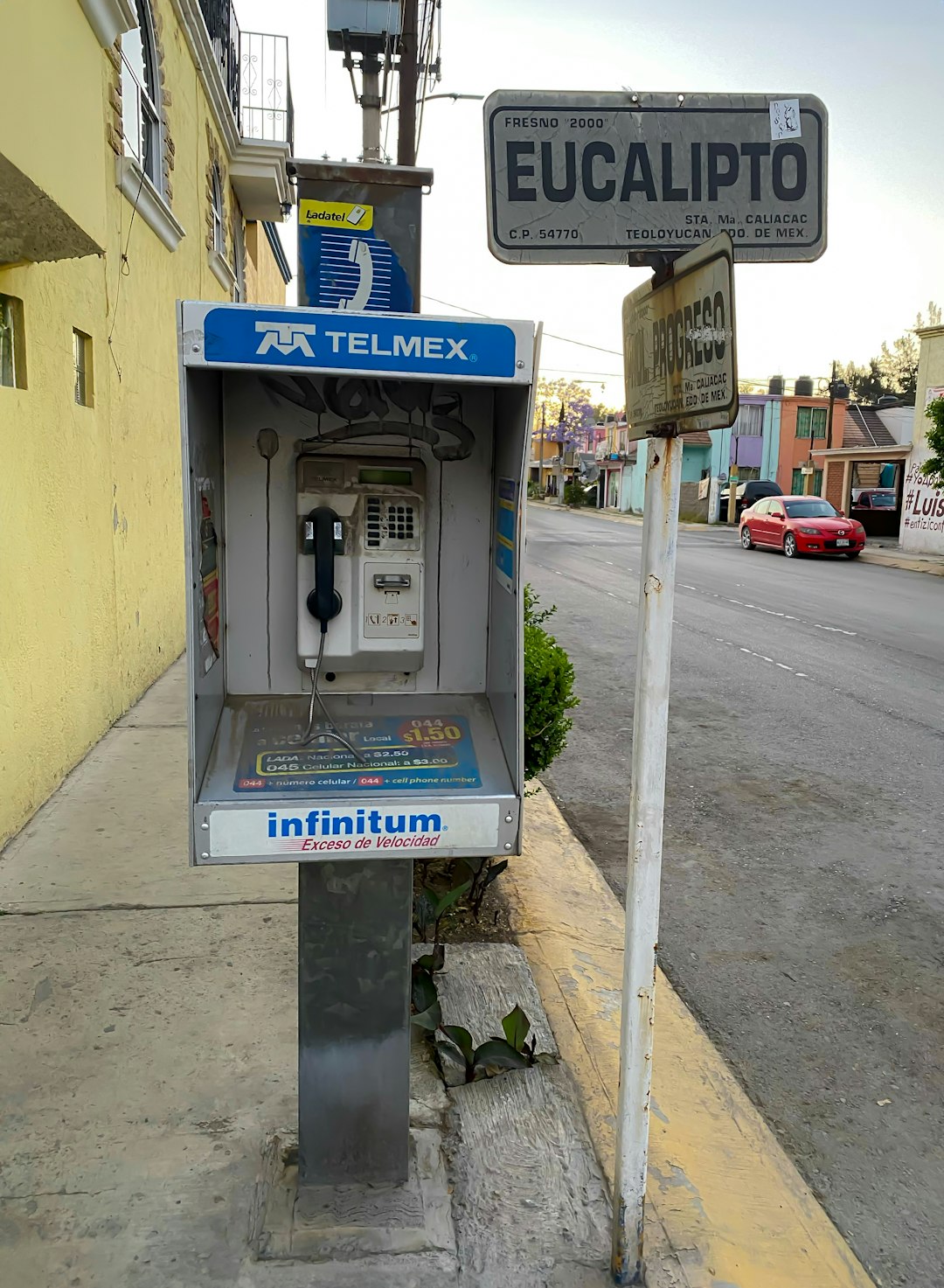
Robocalls are a major problem in New Jersey, with 40 billion spam calls annually. The state has strict laws prohibiting automated calls without consent, with fines up to $10,000 for violations. Consumers can combat robocalls by:
1. Installing approved call-blocking apps like TruthFinder or CallScan.
2. Registering with the National Do Not Call Registry.
3. Reporting spam calls to the Attorney General's Office.
Advanced call blocking apps using machine learning and community data reduce spam calls by over 85%. Staying informed about regulations, such as TCPA, is crucial in combating unauthorized automated calls. A Spam Call law firm New Jersey offers expert guidance and technology solutions for better protection.
In today’s digital age, the rise of robocalls has become a persistent nuisance, with New Jersey residents often finding themselves on the receiving end of unwanted spam calls. This growing concern has prompted many to seek effective solutions to protect their privacy and silence these relentless callers. With the implementation of the Spam Call law firm New Jersey, it’s crucial to equip ourselves with robust tools to combat this issue. This article delves into the world of proven apps designed to stop robocalls specifically tailored for New Jersey residents, offering a comprehensive guide to reclaiming control over your phone lines.
Understanding Robocalls and New Jersey's Spam Call Laws

Robocalls have become a pervasive nuisance in New Jersey, as across the nation, with an estimated 40 billion spam calls made annually, many of which target residents in the Garden State. These automated phone calls, often promoting products, services, or political campaigns, are not only frustrating but can also be illegal under New Jersey’s strict Spam Call Laws. The state has implemented comprehensive regulations to protect consumers from these unwanted intrusions, with penalties for violators.
New Jersey’s Spam Call laws, overseen by the Attorney General’s Office and enforced by the Division of Consumer Affairs, prohibit companies from making automated calls unless they have prior express consent from the recipient. This includes pre-recorded messages, live operators, or text messages promoting goods and services. The law also requires businesses to implement reasonable procedures to prevent accidental or unauthorized calls. Failure to comply can result in substantial fines, with penalties reaching up to $10,000 per violation. A Spam Call law firm in New Jersey can offer expert guidance on navigating these regulations, ensuring compliance, and helping individuals protect their rights.
One of the key challenges in combating robocalls is that they often originate from unknown or out-of-state numbers, making it difficult to trace and prosecute violators. Despite these hurdles, consumers have several powerful tools at their disposal. Installing approved call-blocking apps and registering with the National Do Not Call Registry are effective first steps. Additionally, reporting spam calls to the Attorney General’s Office helps build a case against persistent offenders. By combining technological solutions and proactive consumer action, New Jersey residents can reclaim control over their phone lines and enjoy greater peace of mind.
Top App Choices to Block Unwanted Calls

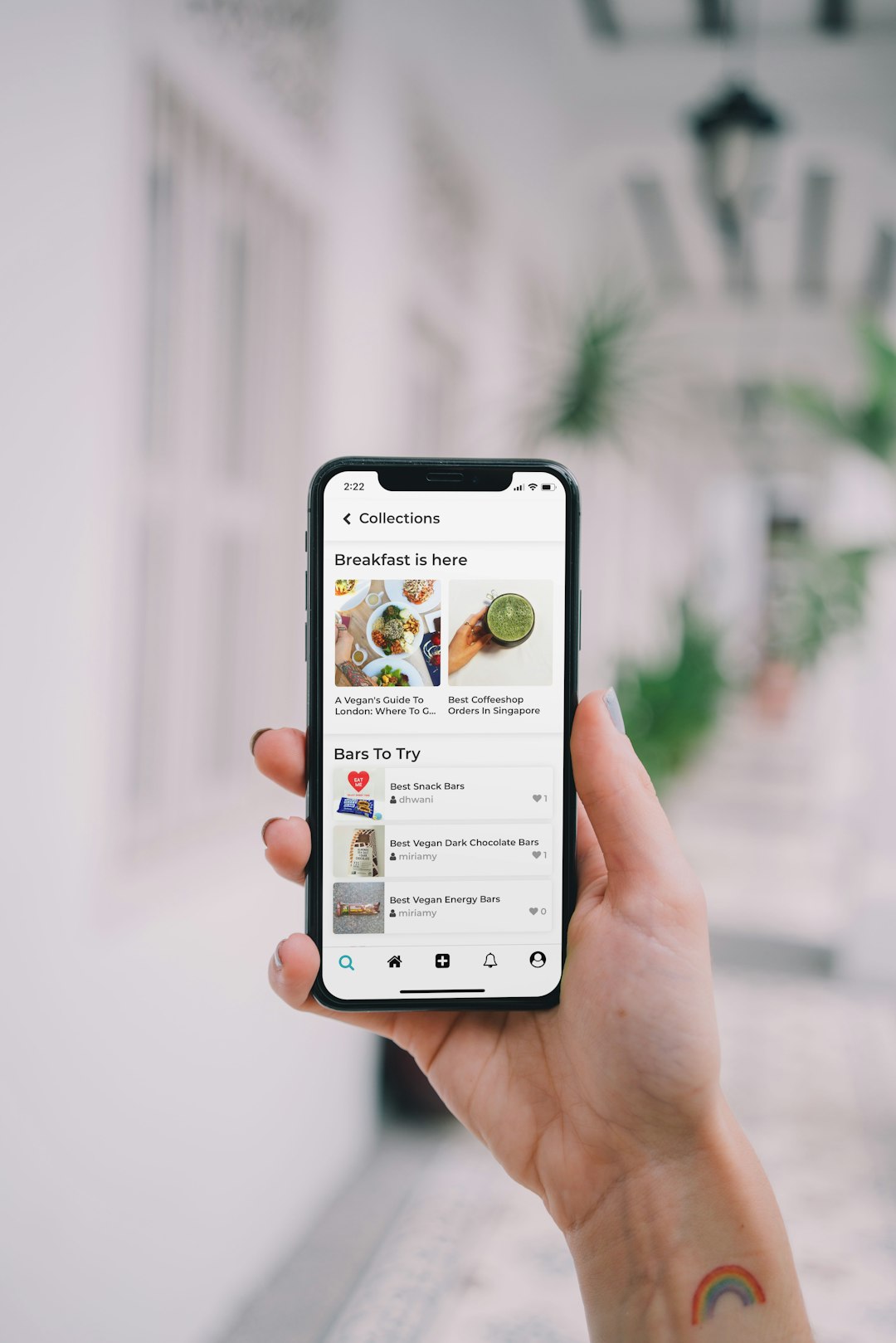
In the digital age, robocalls have become a ubiquitous nuisance, with millions of Americans falling victim to unsolicited calls daily. To combat this growing issue, consumers in New Jersey can take control by utilizing robust apps designed to block these unwanted intrusions. These applications offer a sophisticated and user-friendly approach to managing phone spam, leveraging advanced algorithms to identify and dismiss robotic calls before they disrupt your day.
Among the top choices, TruthFinder stands out for its comprehensive call blocking capabilities, powered by an extensive database of known spammers and robocall patterns. The app seamlessly integrates with your device’s caller ID system, enabling it to filter out suspicious numbers based on historical data. Additionally, CallScan, a trusted name in call protection, employs machine learning algorithms to adapt to evolving spamming tactics, ensuring continuous effectiveness. Users can also benefit from customizable settings, allowing them to block specific areas or numbers that frequently appear on their radar.
Implementing these apps is not just about convenience; it’s a proactive step towards safeguarding your privacy under New Jersey’s stringent Spam Call law firm regulations. With data indicating a significant rise in robocalls targeting residential and commercial lines, the need for robust defense mechanisms has never been more critical. By adopting these cutting-edge solutions, residents of New Jersey can reclaim their communication channels and enjoy greater peace of mind, knowing they are protected from invasive phone spam.
How These Apps Utilize Advanced Filtering Techniques

In the relentless battle against robocalls, consumers in New Jersey have embraced innovative solutions, with a growing preference for apps designed to mitigate these incessant intrusions. Among these tools, several stand out for their advanced filtering techniques, offering users a much-needed respite from unwanted calls, including spam from call law firms. These applications leverage sophisticated algorithms and machine learning models to identify and block robocalls effectively.
The process begins with the app analyzing patterns in incoming calls. By learning from millions of data points, these apps can distinguish between legitimate contacts and automated spam bots. They employ various filtering methods such as number blocking, call pattern analysis, and real-time voice recognition. For instance, TrueCall, one of the leading robocall-blocking apps, uses machine learning to adapt to new scams, ensuring continuous improvement in its filtering capabilities. This dynamic approach allows users to stay ahead of evolving tactics employed by scammers and their automated systems.
Moreover, many apps integrate with phone settings, enhancing existing security measures. They can automatically silence or divert suspicious calls, providing users with an extra layer of protection. Some advanced solutions even offer call authentication, verifying the identity of callers before connecting the call. This is particularly relevant in New Jersey, where a robust Spam Call law firm operates, ensuring that residents are protected against illegal telemarketing practices. By employing these cutting-edge techniques, robocall-blocking apps empower users to regain control over their communication channels, fostering a safer and more reliable digital environment.
A Comprehensive Guide to Effective Call Protection

In the digital age, robocalls have become a pervasive nuisance, with millions of Spam Call law firm New Jersey residents facing daily deluges of unsolicited calls. A comprehensive guide to effective call protection is thus paramount. While no single solution guarantees a call-free experience, advanced technologies and strategies can significantly mitigate this issue.
One proven approach involves the use of call-blocking apps, which leverage machine learning algorithms to identify and block robocalls in real time. Apps like TrueCall and Hiya are widely recognized for their accuracy rates, using community-driven data to continuously update their blocking lists. For instance, a 2021 study showed that users of Hiya blocked over 85% of spam calls, demonstrating the effectiveness of these tools. Additionally, many of these apps offer features like call screening and number identification, providing users with valuable insights into who is trying to reach them.
Another critical aspect in combating robocalls is staying informed about current regulations. The Spam Call law firm New Jersey has implemented stringent laws, such as the Telephone Consumer Protection Act (TCPA), which restricts certain types of automated calls without explicit consent. Staying compliant with these laws not only protects consumers but also ensures businesses adhere to ethical marketing practices. For example, a recent ruling highlighted the importance of opt-in mechanisms for sales and marketing calls, underscoring the need for both businesses and individuals to remain vigilant against unauthorized robocalls.
In conclusion, effective call protection necessitates a multi-faceted approach combining robust technology and adherence to legal guidelines. By leveraging well-established apps and staying informed about regulatory changes, New Jersey residents can reclaim control over their communication channels. It’s crucial for everyone to do their part in combating this growing issue, ensuring a safer and less disruptive digital landscape for all.