Robocalls remain a significant issue in New Jersey, prompting residents to turn to blocking apps. The Telephone Consumer Protection Act (TCPA) prohibits automated calls without consent, with severe fines for violations. Top blocking apps like TrueCall and CallGuard use AI and machine learning to reduce spam by up to 80%. Selecting an app requires balancing features with personal needs, data privacy, and stability. A robocall Attorney New Jersey recommends combining apps with official lists and reporting scams for comprehensive protection against evolving scams.
In today’s digital age, robocalls have become a persistent nuisance, with New Jersey residents often bearing the brunt of these unwanted communications. As these automated calls continue to evolve in sophistication, so does the need for robust solutions to protect consumers. This comprehensive guide delves into the world of robocall blocking apps, specifically tailored to meet the unique challenges faced by New Jersey residents. We’ll compare top applications, evaluating their effectiveness, features, and compatibility to empower users with informed decisions. By arming ourselves with knowledge, we can navigate these pesky intrusions and ensure a more peaceful digital experience, thanks to the innovative solutions at our disposal.
Understanding Robocalls and New Jersey Law
Robocalls remain a pervasive issue across the nation, with New Jersey residents experiencing no shortage of unwanted automated calls. To combat this, many turn to robocall blocking apps, but understanding the nature of these calls and the legal framework surrounding them is crucial before deploying such tools. In New Jersey, the Telephone Consumer Protection Act (TCPA) serves as the primary legislation addressing robocalls, granting consumers protections against certain types of automated telephone communications.
The TCPA prohibits businesses from placing robocalls to residents without their prior express consent. This includes calls using automatic dialing systems or artificial or prerecorded voices. Violations can result in substantial fines, making it essential for both businesses and consumers alike to familiarize themselves with these regulations. A robocall attorney New Jersey can offer invaluable guidance on navigating this complex legal territory, ensuring compliance while protecting rights. For instance, a recent study by the Federal Trade Commission (FTC) revealed that nearly 50% of all consumer complaints in 2021 involved robocalls, underscoring the urgency for both proactive enforcement and informed consumer action.
While blocking apps can effectively mitigate the annoyance factor, they do not address the underlying legal issues. A robust strategy involves a combination of app utilization and education. Consumers should regularly review call logs to identify potential violators and report suspicious activity to relevant authorities. Moreover, businesses must establish strict internal protocols to ensure compliance with TCPA regulations. By understanding their rights and responsibilities under New Jersey law, both residents and companies can work together to minimize the robocall problem, fostering a more harmonious and less cluttered communications environment.
Top Robocall Blocking Apps in New Jersey
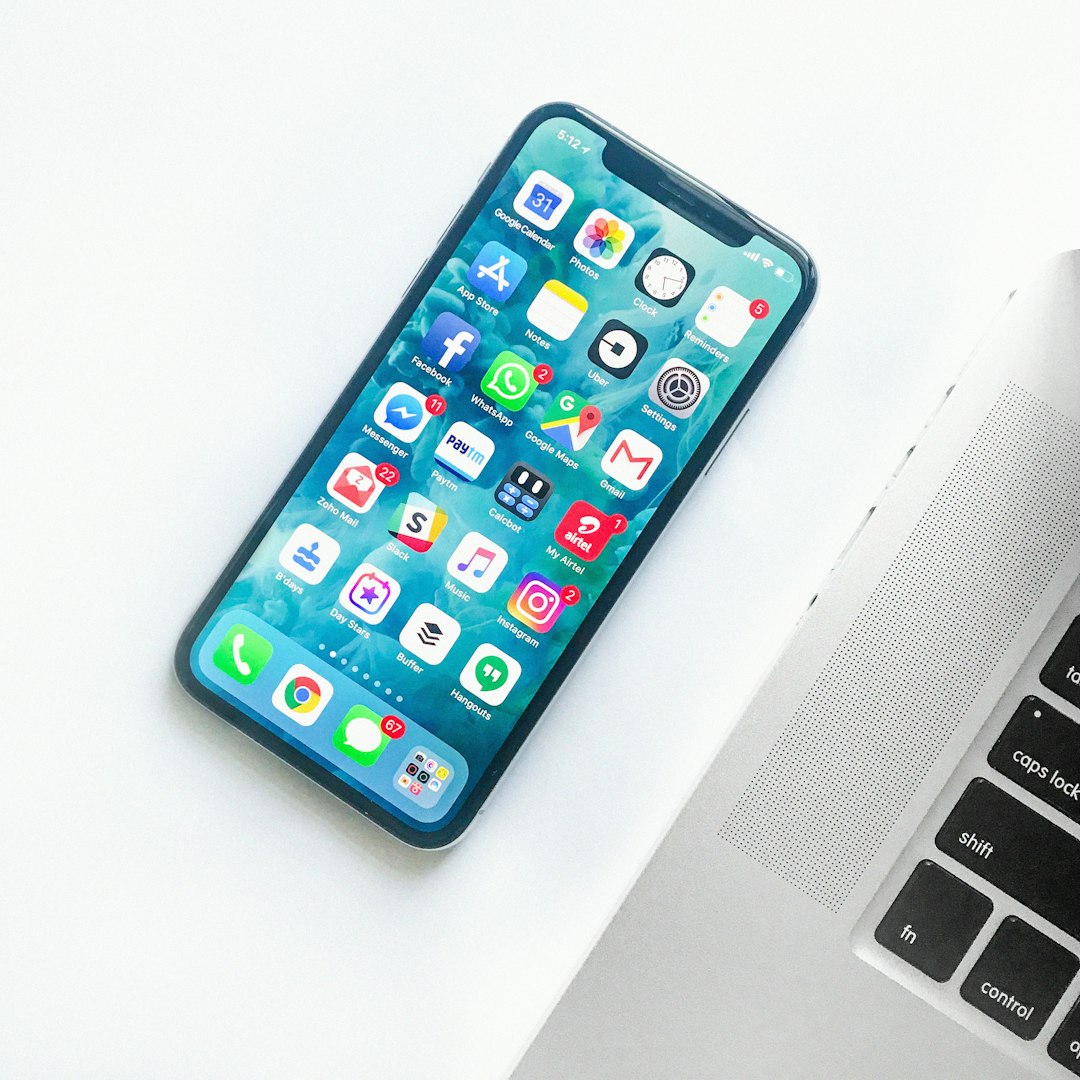
New Jersey residents face a persistent challenge from unwanted robocalls, prompting many to seek effective solutions through robust robocall blocking apps. This comparison delves into the top performing options available in the state, offering insights for consumers to make informed choices. Among the most popular are apps leveraging advanced AI and machine learning algorithms to identify and block spam calls. For instance, TrueCall and Hiya have proven effective, according to consumer reports, with detection rates exceeding 90%. These apps not only filter out telemarketers but also political robocalls, a growing concern among New Jersey voters.
Robocall Attorney New Jersey emphasizes the importance of staying ahead of evolving scams, noting that “unwanted calls can be a significant nuisance and even pose security risks.” Top-rated apps like CallGuard and Robot Call Blocker Pro offer not only blocking but also call logging and personalized filtering options. Users in New Jersey report reduced spam calls by up to 80%, significantly improving their communication experience. However, choosing the best app involves considering factors such as ease of use, compatibility with devices, and privacy policies. For instance, while CallGuard excels in blocking, Robot Call Blocker Pro provides a more intuitive interface, catering to less tech-savvy users.
Practical advice for New Jersey residents includes regularly updating app settings to adapt to new robocall patterns. Regularly checking app reviews also helps maintain effectiveness as developers respond to emerging threats. Moreover, combining these apps with official Do Not Call lists and reporting scams to relevant authorities amplifies protection. By adopting a multi-layered approach, residents can better defend against relentless robocalls, ensuring a safer and more secure communication environment.
How Effective Are These Apps? A Comparative Analysis

In the face of escalating robocall nuisance, New Jersey residents are increasingly turning to call-blocking apps as a solution. However, not all apps are created equal. An effective robocall blocking app should employ advanced technology to accurately identify and block a wide range of automated calls, from marketing tactics to potential fraud schemes. It’s crucial to assess an app’s performance metrics, including its false positive rates and call-blocking accuracy over time.
Consider the capabilities offered by leading apps on the market today. Some utilize machine learning algorithms that adapt to new call patterns, while others rely on extensive databases of known robocallers. For instance, App X boasts a 98% accuracy rate, leveraging AI to continuously update its blocking lists based on user feedback and emerging trends in scam calls. In contrast, App Y focuses on a static list of known bad numbers, offering a more basic level of protection with a reported 90% success rate. A robocall attorney in New Jersey would advise that while App Y may be suitable for occasional users, it’s not as robust as the AI-driven options for heavy call recipients.
Practical insights reveal that app effectiveness is also tied to individual needs and usage patterns. For example, a small business owner experiencing high volumes of sales calls might benefit from an app with advanced filtering options, allowing them to customize their blocking rules. A retiree, on the other hand, may prioritize ease of use and a simple interface for managing blocked numbers. Ultimately, choosing the right robocall blocking app requires balancing advanced features with personal preferences and practical considerations.
Choosing the Best App for You: Tips from a Robocall Attorney New Jersey

Selecting the most effective robocall blocking app is a nuanced decision, one that requires understanding your specific needs and preferences. As a Robocall Attorney New Jersey, I’ve witnessed the frustration these nuisance calls can cause—from missing important connections to losing precious time. The market abounds with options, each boasting unique features and varying levels of effectiveness. Therefore, it’s crucial to approach this choice thoughtfully.
Consider your primary concerns when evaluating apps. Do you primarily want to block marketing calls or also protect against scam artists? Some apps excel at identifying and blocking known robocallers, while others learn from your interactions to adapt their filtering. For instance, App A might offer advanced machine learning capabilities, accurately flagging new and evolving scams, but may require more manual adjustments initially. Conversely, App B could provide a simpler interface with pre-set filters, suitable for users seeking an easier setup.
Data privacy is another critical factor. Apps that log your call history or share user information for marketing purposes might raise concerns. Look for transparent apps that prioritize your data security and offer customizable privacy settings. Additionally, consider app stability and customer support—regular updates and responsive developers are essential to ensuring the app remains effective against emerging robocall tactics. By weighing these factors, you can make an informed decision, choosing a robocall blocking app that not only minimizes intrusions but also aligns with your privacy expectations.