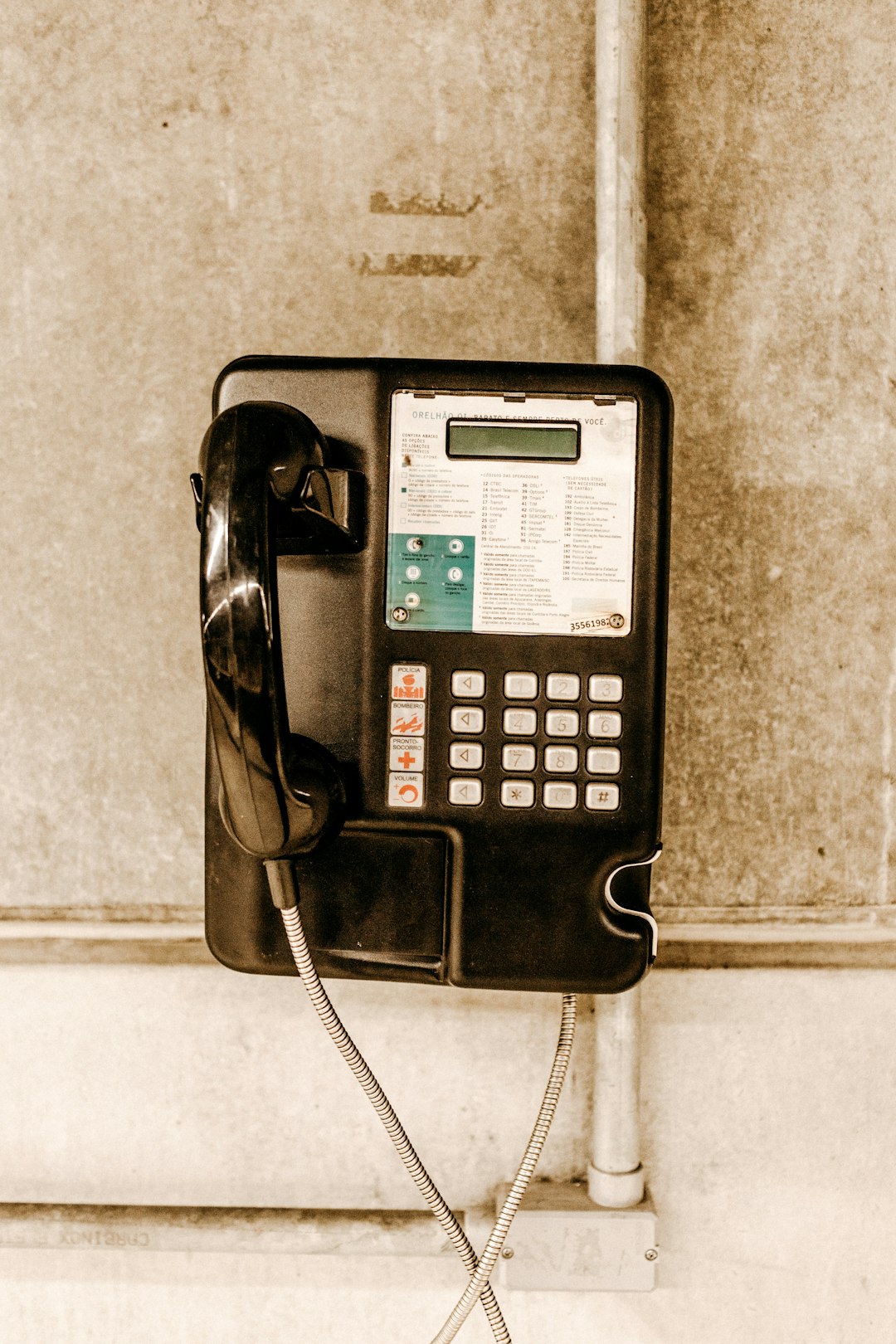
New Jersey's Do Not Call law restricts automated marketing calls to registered residents, empowering individuals to control unwanted telemarketing. Studies show a decline in robocalls in states with similar policies. Advanced blocking apps like TrueCall and NoMo Robocalls use machine learning to identify and block scams, offering robust protection alongside the state registry. To defend against robocalls, New Jersey residents should register on national and state lists, download reputable apps, and understand the law's strict penalties for violators by commercial callers.
In today's digital age, the relentless surge of robocalls has become a ubiquitous nuisance, with New Jersey residents often finding themselves on the receiving end of unsolicited calls from telemarketers and fraudulent entities. This relentless intrusion not only disturbs daily routines but also poses significant risks to personal privacy and security. The time has come for proactive measures, especially considering New Jersey's stringent Do Not Call laws designed to protect citizens from such annoyances. This article delves into the most proven and reliable mobile applications tailored to block robocalls in New Jersey, empowering residents with effective tools to reclaim their peace of mind.
Understanding Robocalls and New Jersey's Laws
Robocalls have become a pervasive nuisance across the nation, including New Jersey, where residents often find themselves on the receiving end of unsolicited calls from telemarketers and scammers. These automated messages, while sometimes offering legitimate services, are increasingly being used for fraudulent activities, leading to a significant rise in consumer complaints. New Jersey, recognizing this growing concern, has implemented a Do Not Call law aimed at protecting its citizens from unwanted telemarketing calls.
Under the Do Not Call laws in New Jersey, businesses and organizations are prohibited from making automated or prerecorded telephone calls to residents who have registered their phone numbers on the state's Do Not Call list. This initiative is a powerful tool for combating robocalls, as it empowers individuals to take control of their communication preferences. Residents can register their landlines, cell phones, and even business lines to opt-out of receiving marketing calls, ensuring a quieter and safer environment. Notably, New Jersey's law also includes specific restrictions on calls from law firm and collection agencies, underscoring the state's commitment to safeguarding its citizens' peace of mind.
The effectiveness of these measures is supported by recent studies showing a decline in robocalls across various states implementing similar policies. As New Jersey continues to refine and enforce its Do Not Call regulations, residents are encouraged to stay informed about their rights and take proactive steps to minimize the impact of unwanted calls. Utilizing approved apps that block or filter out known robocallers can be a valuable strategy, offering an additional layer of protection alongside legal provisions.
Top Apps to Block Unwanted Calls in NJ

In New Jersey, as across the nation, robocalls have become a ubiquitous nuisance, with millions of unwanted calls flooding phone lines daily. According to recent studies, over 40 billion robocalls were made in the United States in 2022, many targeting residents of New Jersey. This surge has prompted a growing demand for effective solutions, particularly among those who wish to avoid intrusive marketing calls and scam attempts. Thankfully, several robust applications have emerged as powerful tools to combat this issue.
Among the most notable are Call Blockers and Do Not Disturb apps that employ advanced algorithms to identify and block robocalls with impressive accuracy. Apps like TrueCall, Hiya, and NoCall stand out for their sophisticated technology and user-friendly interfaces. For instance, TrueCall utilizes machine learning to analyze call patterns, detecting spam calls with a high degree of precision. Similarly, Hiya leverages a global community of users to share call data, enhancing its ability to identify known scammer numbers. These applications not only block unwanted calls but also provide valuable insights into call trends, allowing users to stay informed and protected.
While New Jersey's Do Not Call law firms offer some relief for residents, these laws primarily focus on telemarketers and have limitations in blocking certain types of robocalls. Enter these innovative apps, which empower individuals to take a more proactive approach to protecting their privacy. By integrating advanced filtering mechanisms and machine learning, they adapt to individual users' preferences, ensuring that only desired calls reach their phones. As the landscape of phone scams continues to evolve, relying solely on traditional methods becomes increasingly inadequate. Utilizing these top-rated apps offers a comprehensive strategy for New Jersey residents seeking to reclaim control over their communication channels.
Protecting Yourself: Do Not Call Registry and Beyond
In the ongoing battle against robocalls, individuals in New Jersey have a powerful ally: the Do Not Call Registry. This state-mandated registry is not just a list; it's a robust defense mechanism designed to protect residents from unwanted calls, including those from telemarketers and scam artists. By registering your phone number, you assert your right to be left alone, and New Jersey has made significant strides in enforcing this right through strict regulations and penalties for violators.
The Do Not Call Registry goes beyond mere prevention; it's a proactive step that empowers residents with knowledge. According to recent data from the Federal Trade Commission (FTC), millions of consumers have registered their numbers, significantly reducing the volume of robocalls received. This success story is partly attributed to the registry's ability to identify and block calls from known telemarketers and sales firms. In New Jersey, where the Do Not Call Law specifically targets commercial callers, residents experience a notable decrease in unwanted calls, especially from law firms seeking potential clients.
Complementing the Do Not Call Registry, advanced technology plays a pivotal role in combating robocalls. Apps designed to identify and block these calls offer an extra layer of protection. These apps use machine learning algorithms to analyze calling patterns, allowing them to filter out legitimate calls while blocking spam. For instance, applications like TrueCall and NoMo Robocalls have garnered praise for their effectiveness in New Jersey and across the nation. By combining technology with legal protections like the Do Not Call Law, residents can take a comprehensive approach to safeguarding their privacy.
To protect yourself effectively, consider these actionable steps: register your number with the national Do Not Call Registry and state-specific lists; download reputable robocall-blocking apps; and familiarize yourself with New Jersey's Do Not Call Law, which prohibits commercial callers from contacting registered numbers for telemarketing purposes. By arming ourselves with these tools and knowledge, we can significantly reduce the burden of robocalls and enjoy greater peace of mind in our increasingly digital world.