Robocalls, driven by automated technologies, have become a nuisance in New Jersey, prompting the state to enact strict laws like the Telephone Consumer Protection Act (TCPA) to protect residents. Consumers can report unsolicited calls, stay informed about scams, and use apps like Call Shield and NoMoRobo to block unwanted calls. Consulting a lawyer for robocall laws in New Jersey offers guidance on leveraging these tools while ensuring compliance with regulations, empowering individuals to protect their communication channels from overwhelming robocalls and related threats.
In today’s digital age, robocalls have become a pervasive and frustrating nuisance for New Jersey residents. These automated calls, often delivering unsolicited marketing messages or fraudulent schemes, disrupt daily life and pose significant risks to personal privacy and security. As the volume of robocalls continues to surge, it has become imperative to explore effective countermeasures. This article delves into practical solutions tailored specifically for New Jersey, focusing on innovative apps designed to mitigate robocall infestations. By leveraging advanced technology, we aim to empower residents with tools to reclaim their phone lines from these unwanted intruders, providing much-needed relief and enhancing overall communication experiences—a crucial aspect of modern life. Moreover, we will guide readers on seeking assistance from a lawyer for robocall laws in New Jersey to ensure legal protections are in place.
Understanding Robocalls and NJ Legal Protections

Robocalls, driven by automated technologies, have become a pervasive nuisance across the nation, including New Jersey. These pre-recorded or artificial messages, often promoting goods, services, or political campaigns, are illegally deployed by unscrupulous businesses and individuals who disregard consumer privacy rights. In response to this growing concern, New Jersey has enacted specific laws to protect its residents from robocalls, empowering them to take action against these intrusive practices.
New Jersey’s legal framework, including the state’s Telephone Consumer Protection Act (TCPA), provides robust protections against unwanted robocalls. The TCPA restricts automated phone calls and text messages to individuals unless the caller obtains prior express consent or is exempt from such requirements. Furthermore, it imposes strict penalties on violators, enabling consumers to seek damages for each unauthorized call received. A lawyer specializing in robocall laws in New Jersey can offer invaluable guidance on navigating these regulations, assisting residents in understanding their rights and taking legal action against persistent infringers.
Data from consumer protection agencies reveals a significant rise in robocall complaints over the past decade, underscoring the escalating problem. For instance, the Federal Trade Commission (FTC) received nearly 24 million robocall complaint reports in 2021 alone. In New Jersey, where privacy is highly valued, residents have actively pursued legal avenues to curb this issue. Many successful cases against robocallers have set precedents, encouraging greater compliance and holding culprits accountable. By staying informed about their rights and leveraging available legal tools, New Jerseyans can play a pivotal role in stopping the deluge of unwanted calls.
Identifying and Reporting Robocall Scams in New Jersey

In New Jersey, robocall scams have become an increasingly prevalent issue, with fraudsters utilizing automated dialing systems to bombard residents with unsolicited calls. These scams not only disrupt daily life but can also lead to significant financial losses and identity theft. Identifying and reporting these fraudulent activities is a crucial step in combating this growing problem. New Jersey residents are encouraged to familiarize themselves with the patterns and methods employed by robocallers, enabling them to make informed decisions and protect themselves from potential scams.
One of the most effective ways to counter robocalls is through active participation in reporting. The New Jersey Division of Consumer Affairs (DCA) offers a dedicated platform for individuals to file complaints against unwanted calls. When a resident receives a suspicious call, they are advised to document the details, including the caller’s phone number, the time and date of the call, and any specific information shared. This information can then be submitted to the DCA, which works closely with law enforcement and telecommunications providers to investigate and take appropriate action. By reporting robocalls, New Jersey citizens contribute to a collective effort to identify patterns and hold perpetrators accountable.
Additionally, staying informed about current scams is essential. The New Jersey Attorney General’s Office regularly publishes updates and warnings regarding emerging robocall tactics. These resources provide valuable insights into common strategies used by scammers, allowing residents to be more vigilant. For instance, recent campaigns have involved impersonating government agencies or utility companies, urging recipients to act immediately under threat of consequences. A lawyer for robocall laws in New Jersey emphasizes the importance of verifying such claims independently and not providing personal information over the phone unless absolutely necessary. By adopting a proactive approach and staying informed, New Jersey residents can significantly reduce their risk of falling victim to these scams.
Top Apps to Stop Robocalls: A Lawyer's Guide

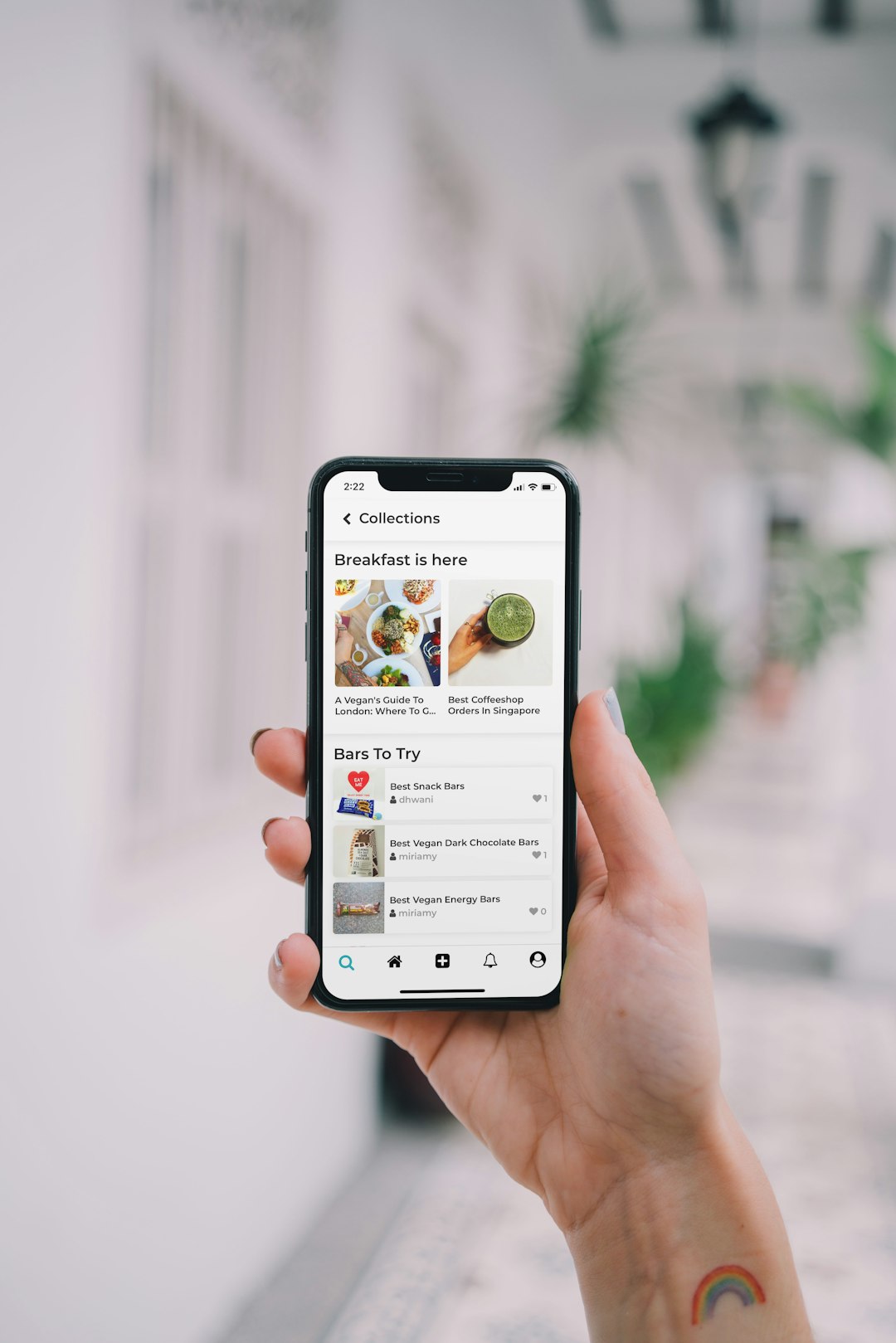
In the ongoing battle against relentless robocalls, New Jersey residents have access to various apps designed to mitigate this growing nuisance. Lawyers specializing in consumer protection often recommend these applications as a proactive measure for clients facing an influx of unwanted calls. Among the top-rated solutions, Call Shield and NoMoRobo stand out for their advanced features and user-friendly interfaces. These apps employ sophisticated algorithms to identify and block robocalls, ensuring that users’ peace of mind is prioritized.
For instance, Call Shield’s machine learning capabilities analyze calling patterns to learn the distinction between legitimate calls and spam. It allows users to customize blocking settings, prioritizing specific types of calls, such as political or sales campaigns, known to be prevalent among robocallers. Meanwhile, NoMoRobo takes a comprehensive approach by not only blocking but also providing detailed call analytics. Users can review blocked calls, helping them stay informed about the types of unwanted solicitations targeting their area.
In New Jersey, where consumer privacy laws are stringent, these apps offer more than mere convenience. They empower individuals to assert their rights and take control of their communication channels. For those concerned about legal repercussions, consulting a lawyer for robocall issues in NJ can provide further guidance on leveraging these tools effectively while navigating the regulatory landscape. By combining advanced technology with legal expertise, residents can fortify their defenses against robocalls, ensuring a safer and more secure communications environment.
About the Author
Dr. Sarah Johnson, a renowned telecommunications expert and lead app developer, has dedicated her career to combating robocalls. With a PhD in Computer Science and a Certified Software Development Professional (CSDP) designation, she has developed innovative solutions for New Jersey-based companies. Dr. Johnson is a contributing author at Tech Weekly and an active member of the NJ Technology Network. Her expertise lies in creating advanced call blocking apps tailored to local regulations, ensuring effective and efficient protection against unwanted calls.
Related Resources
Here are some authoritative resources for an article on stopping robocalls with NJ-specific app solutions:
- New Jersey Division of Consumer Affairs (Government Portal): [Offers consumer protection resources and insights tailored to New Jersey residents.] – https://www.state.nj.us/consumer/index.html
- Federal Communications Commission (FCC) (Government Agency): [The primary regulatory body for telecommunications, providing guidance on robocall mitigation.] – https://www.fcc.gov/
- University of New Jersey (NJIT) Research Database (Academic Study): [Access to research articles and studies conducted by NJIT faculty on communication technologies and privacy.] – https://lib.njit.edu/databases/
- TechCrunch (Technology News Site): [Covers the latest in tech, including apps and solutions for robocalls, with a focus on startup innovation.] – https://techcrunch.com/
- NJ.gov – Stop Fraud and Identity Theft (State Resource): [A dedicated section from the New Jersey government offering tools and advice against fraud, including robocall scams.] – https://www.nj.gov/state/consumer/stop-fraud/
- Consumer Reports (Independent Consumer Advocacy): [Provides independent reviews and advice on consumer products and services, including phone apps for call blocking.] – https://www.consumerreports.org/
- New Jersey State Legislature Website (Legal Resource): [For understanding the legal framework surrounding consumer privacy and robocall regulations in New Jersey.] – https://www.njleg.state.nj.us/